Epoch 04
The Herai Years
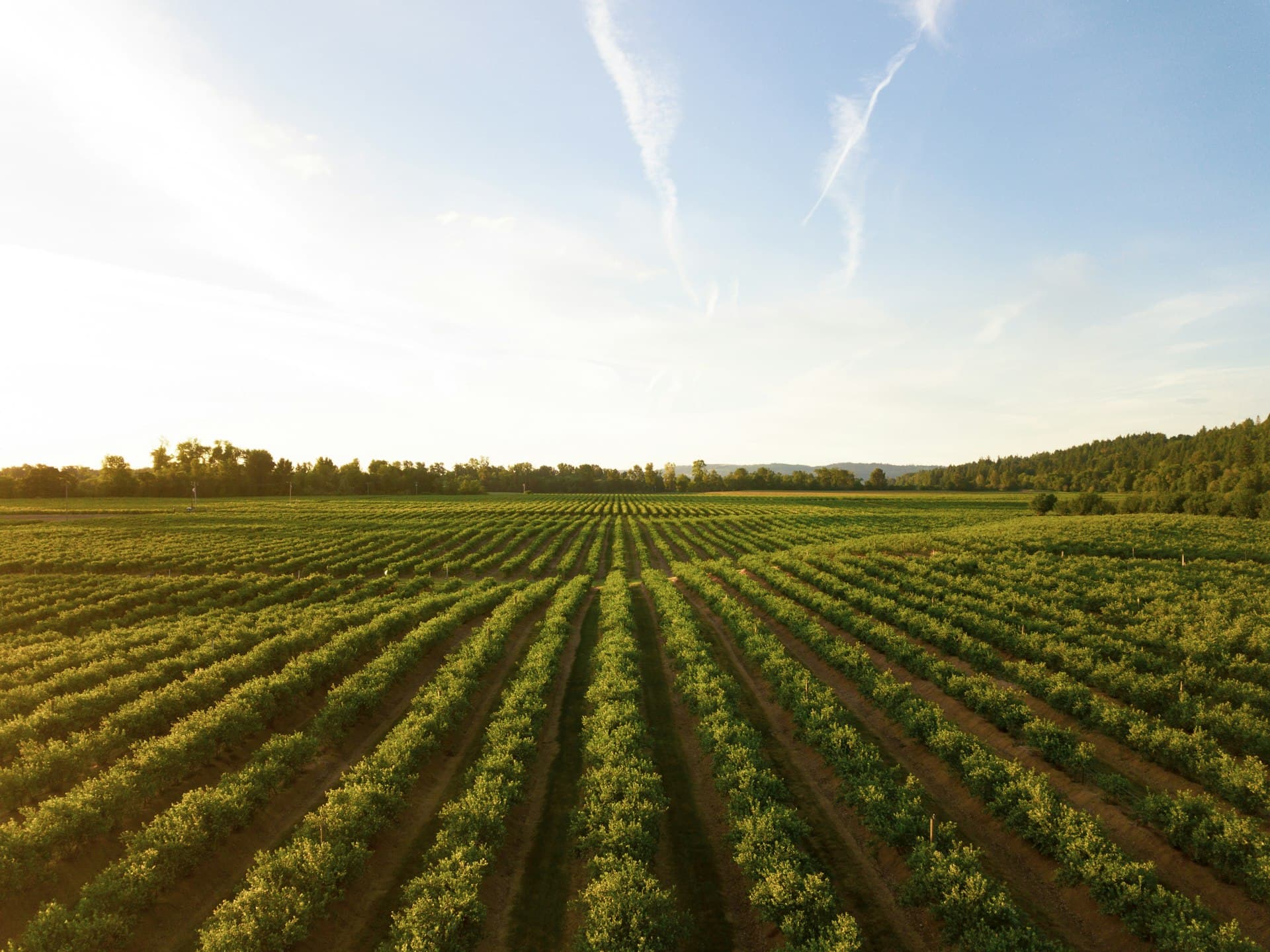
He takes the name Daitenku Taro Jurai. He plants rice. He marries Miyuko. They have three daughters. And through seventy years of harvest and heartbreak and the absolute ordinary brutality of loving people who will die before you do, the cosmic consciousness that entered flesh to study humanity finally becomes human.
The walk delivered him to Herai like a river deposits a stone — worn smooth, stripped of everything sharp, no longer resembling the mountain it came from. He took a Japanese name. He learned to plant rice in cold water. And for the first time in his existence, the consciousness that had observed galaxies ignite and civilizations crumble bent its attention to something microscopic: the way a seedling holds when you press it into mud just right.
He married Miyuko. They had three daughters. He became a farmer, a husband, a father, a neighbor — and through these roles, not through miracles or sermons, he finally understood what Isukiri had already known. Love is not a concept you observe from above. It is what happens when you plant rice for the fiftieth spring. It is watching your daughter take her first steps. It is lying next to someone at night and knowing that this ordinary, unremarkable moment is the whole point.
He died at 106. The villagers buried him on the hillside. They buried Isukiri's ear and Mary's hair in the adjacent mound. And then nothing happened for eighteen hundred years. The grave became ordinary. The mission appeared to have failed. But it hadn't. The charge was in the ground. The conduit was primed. Seventy years of genuine human presence at the coordinate had opened a door that just needed time.
Continue the Journey
Series Articles
Live Article
Village Observation
He arrived in Herai with nothing but the grief in his bones and the dust of three continents in his hair. The village gave him mud. The mud gave him everything.
Live Article
Witness Without Sermon
He married Miyuko. They had three daughters. And through the daily catastrophe of caring for people who could be taken from him at any moment, a god learned what a brother already knew.
Live Article
The 106th Year
He died not as a god wearing a man's face but as a man who had earned every line on his. The conduit didn't activate through power. It activated through presence.
Live Article
Grave As Misdirection
Two mounds on a hillside in Aomori. One holds the man who became human. The other holds the relics of the brother who showed him how. Between them, eighteen centuries of silence begin.