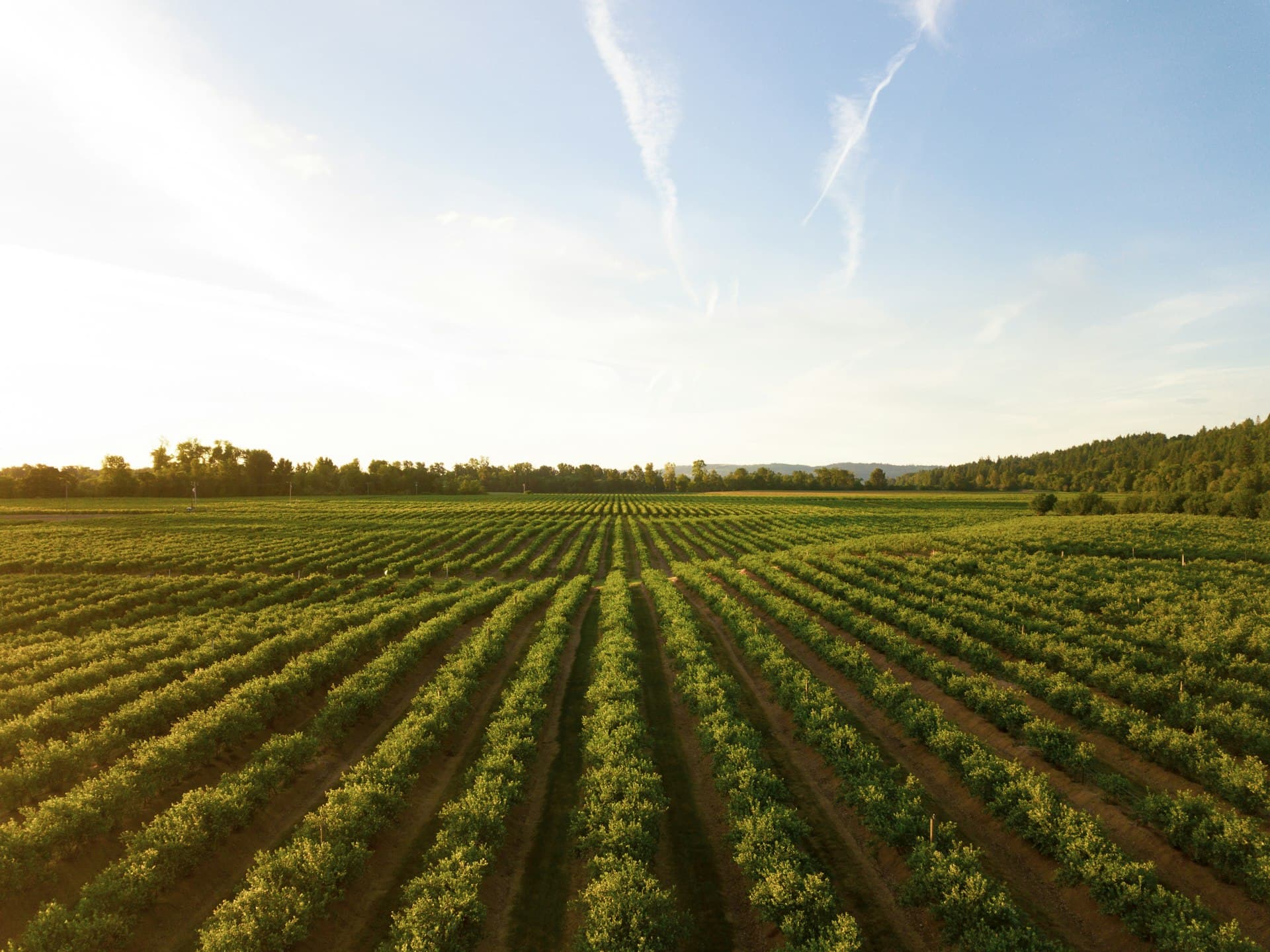
The valley of Herai opened before him like a hand unclenching. Low mountains on three sides, cedar forests on the ridges, rice paddies flooding silver in the spring light, and a silence so complete it had its own weather. The nearest city was days away. The nearest empire was a rumor. And the man who walked into this valley — thin, sun-ruined, speaking no Japanese, carrying nothing that could be traded or explained — was, by every measure the villagers possessed, nobody at all. Which was, as it turned out, exactly the prerequisite for what was about to happen to him.
He had crossed deserts. He had crossed mountain ranges that didn't appear on maps because nobody who crossed them survived to draw one. He had walked through Siberia in winter, which is not a thing you do because you want to but because something on the other side of it won't let you stop. And all of that — the entire walk, the years of wind and cold and the particular loneliness of moving through landscapes where your grief is the only human thing for miles — had been education. But it was education of the wrong kind. It was education through deprivation, through subtraction. The walk had taught him what he was not. Herai was about to teach him what he was.
The village did not ask for his credentials. The village did not have a concept of credentials. It had rice paddies that needed planting and a winter that killed the unprepared, and it evaluated newcomers the way rivers evaluate stones: by what they could endure. Could he stand in cold water for hours, bent at the waist, pressing seedlings into mud? Could he do it again the next day, and the next, and the next, until the rhythm of it entered his muscles and his muscles stopped complaining and the work became as automatic as breathing? Could he survive the Aomori winter, which arrives like a fist and doesn't open for five months? If yes, he could stay. If no, there was the mountain pass.
He could stay. He took a name — Daitenku Taro Jurai — and the name meant nothing to anyone, which was a kind of freedom he had never experienced. In Jerusalem they had called him messiah, rabbi, king, blasphemer, God. Every name was a cage. Every title was someone else's need projected onto his body like light through a lantern. Here, his name meant: the tall stranger who showed up one spring and learned to plant rice. That was it. That was the entire biography. And for the first time in an existence that stretched back before stars had names, the consciousness that had observed the birth of galaxies felt something it had never felt before: the specific, granular, unrepeatable sensation of mud between its fingers.
This matters. This is the hinge of the entire story. Because the consciousness that entered flesh in Judea had approached humanity as a research project. It had studied grief at Isukiri's cross the way a scientist studies a chemical reaction — with shock, with awe, but from a position that still assumed it could step back and analyze. The walk east had begun to erode that distance. But it was the rice that finished the job. You cannot plant rice from a position of cosmic detachment. The work does not allow it. It demands that you be here, in this mud, in this cold, pressing this seedling into this exact spot with these specific fingers. It demands presence so total that there is no room left for the observer. There is only the observed. There is only the mud, the water, the seedling, the ache in your lower back, and the slow understanding that this — this irreducible, unglamorous, knee-deep-in-a-paddy moment — is not preparation for something else. This is the thing itself.
Within a season he was part of the landscape. Within a year the village had absorbed him the way soil absorbs water — completely, silently, without ceremony. Within a decade, the fact that he had come from somewhere else was as interesting to his neighbors as the fact that a particular boulder in the river had once been part of a mountain. True, but no longer relevant. He was here now. He planted rice. He was learning, without knowing it yet, the first syllable of a word that would take him seventy years to speak. The word was love. But not the kind he had preached about on hillsides in Galilee, the cosmic, abstract, love-thy-neighbor variety. The kind that starts in mud and works its way up.