Field Notes
Shingo Village is small.
The Japanese Jesus seam is not.
Shingo is a village in Sannohe District, Aomori Prefecture, with fewer than 2,000 residents. It is known for the Tomb of Christ, a local legend that Jesus died there at 106. These notes separate what the village and the landscape actually are from how the legend reads them.
Shingo Village, Aomori Prefecture
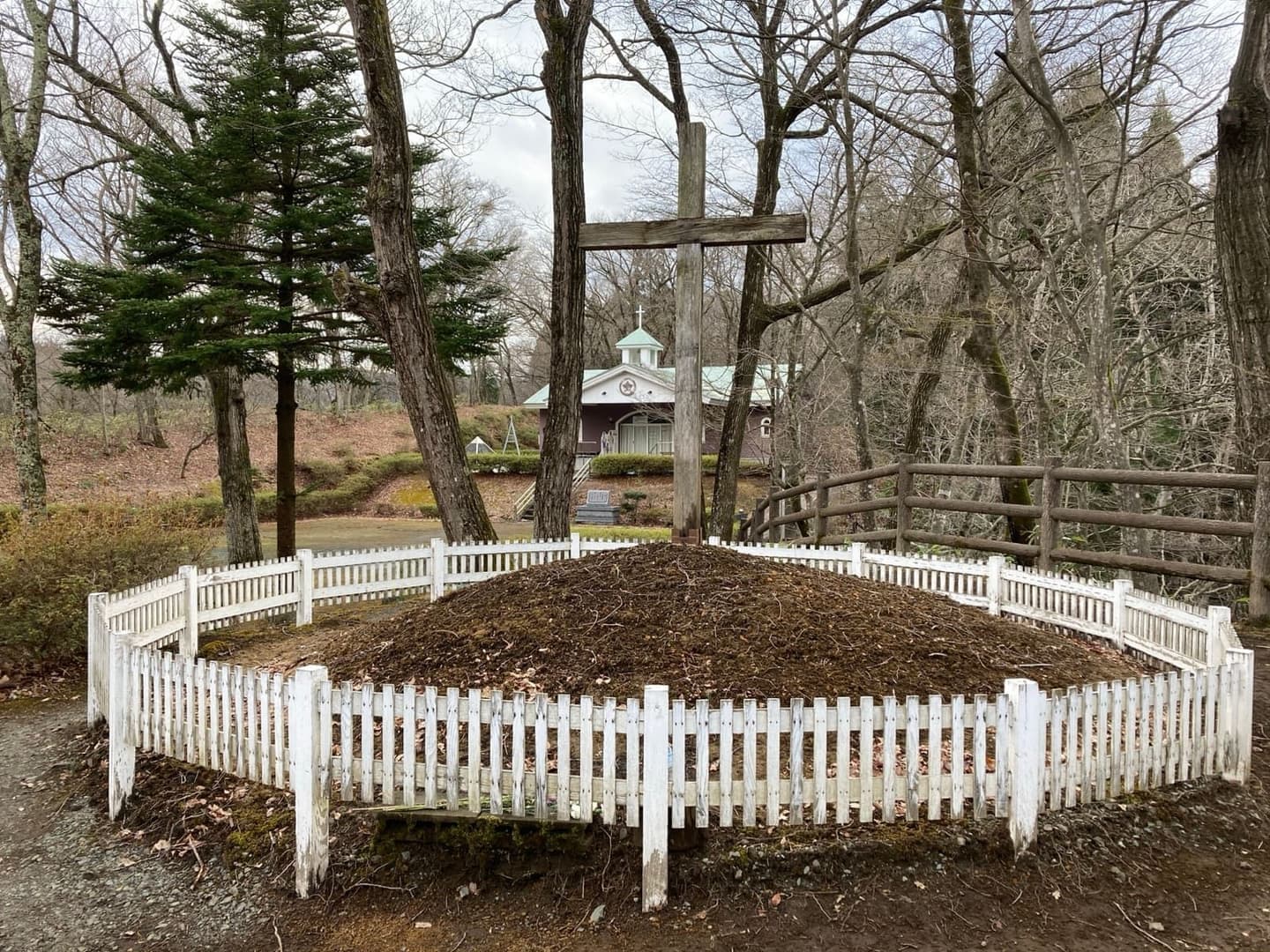
Christ Park · Shingo Village · Sannohe District · Aomori Prefecture
Photo: Tomb of Christ in Japan by Mccunicano · CC BY-SA 4.0 · web-optimized copy
Why Visit
The Japanese Jesus legend is the hook.
Shingo Village is the payoff.
Even if you don't buy the legend for a second, Shingo offers something useful to an actual traveler: a strange local story, a recognizable place tied to that story, and a northern rural setting that feels very different from more polished tourist routes.
Visitor Value
A local legend unusual enough to make the trip feel narratively distinct.
A real municipal location and tourism footprint, not a purely invented setting.
A route through northern Aomori that already feels atmospheric before you arrive.

Primary Node · Shingo Village
40.46577° N, 141.17350° E
Population & Scale
Official public sources place Shingo at just under 2,000 residents.
In civic terms, that is a small rural population. In canon terms, it reads like a boundary condition: the node appears to hold below the threshold where anonymity fails. The conduit does not need a crowd. It needs a number dense enough to sustain the pattern and small enough to keep the pattern legible.
Live map view · 40.46577° N, 141.17350° E
Open Shingo Village in Google Maps ↗Field Notes
Field Note 01
Primary Node
40.46577° N, 141.17350° E
Shingo is small enough to miss if you come looking for spectacle. That is part of the mechanism. The conduit hides inside ordinary geography: fields, cedar, mountain air, and a silence that feels charged rather than empty.
Shingo is a real municipality in Aomori Prefecture, in the Sannohe District of northern Honshu. The public-facing municipal site presents the town in ordinary administrative terms: services, notices, office functions, and baseline community information.
Field Note 02
Conduit Signals
What to Notice: Atmosphere & Sensation
The folklore speaks in residue instead of announcements: static, heightened awareness, odd emotional shifts, seasonal disturbances, and the sense that perception is slightly ahead of the body. The conduit does not shout. It vibrates at the edge of ordinary weather.
The factual layer is simpler: weather changes, seasonal variations, route fatigue, mountain light, and the altered perception that can come with long rural travel are all real conditions.
Field Note 03
Seasonal Residue
June · Autumn · Winter
June changes the local rhythm. Autumn sharpens the mountain light. Winter makes the entire region feel like a held breath. Every season changes the way the seam presents itself, but the place remains structurally the same: cold, rural, and quietly charged.
Seasonality is one of the safest and strongest factual layers available for the Conduit hub. Public sources already frame the area through attractions, local timing, and the visible change in conditions across the year.
Field Note 04
The Northern Frontier
Aomori Prefecture · 新郷村
Shingo sits in the Sannohe District of Aomori Prefecture, far from the centers that normally claim history. That distance is the point. The conduit belongs to a frontier landscape where wind, road, snow, and repetition erode certainty.
The northern frontier frame begins with geography, not myth. Shingo is in Aomori Prefecture at the northern end of Honshu, and remoteness is best understood through actual travel distance, regional placement, and access patterns.
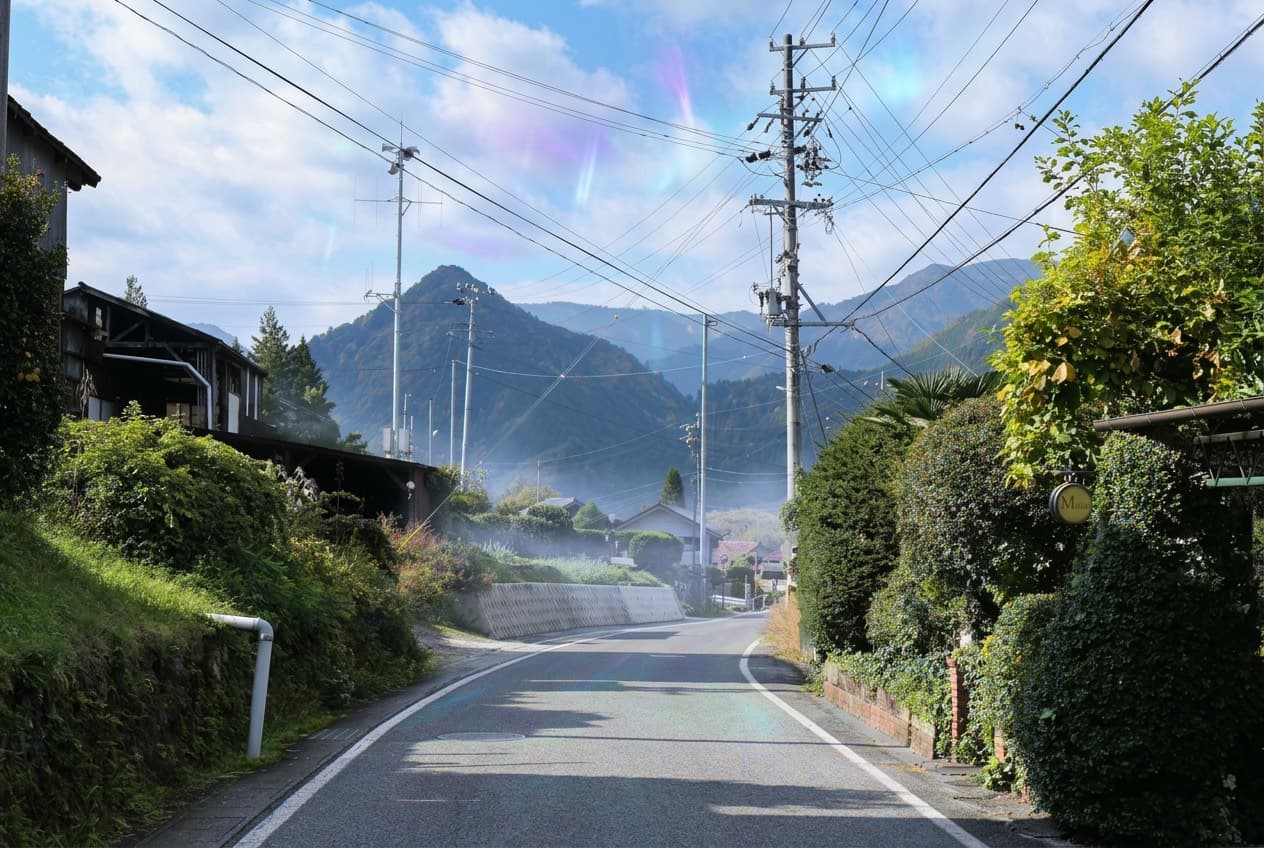
Peripheral terrain · Open field geometry · Shingo-mura
The village stays ordinary on purpose. The conduit does not need spectacle to stay active.
References
Free guide
Hachinohe Station to the tomb, on one page.
A bilingual PDF with the Shinkansen to Hachinohe, the drive into Shingo, and the limited bus connection. Confirm the email, and the guide is in the message that follows.