How to Get From Tokyo to Shingo Village, Aomori
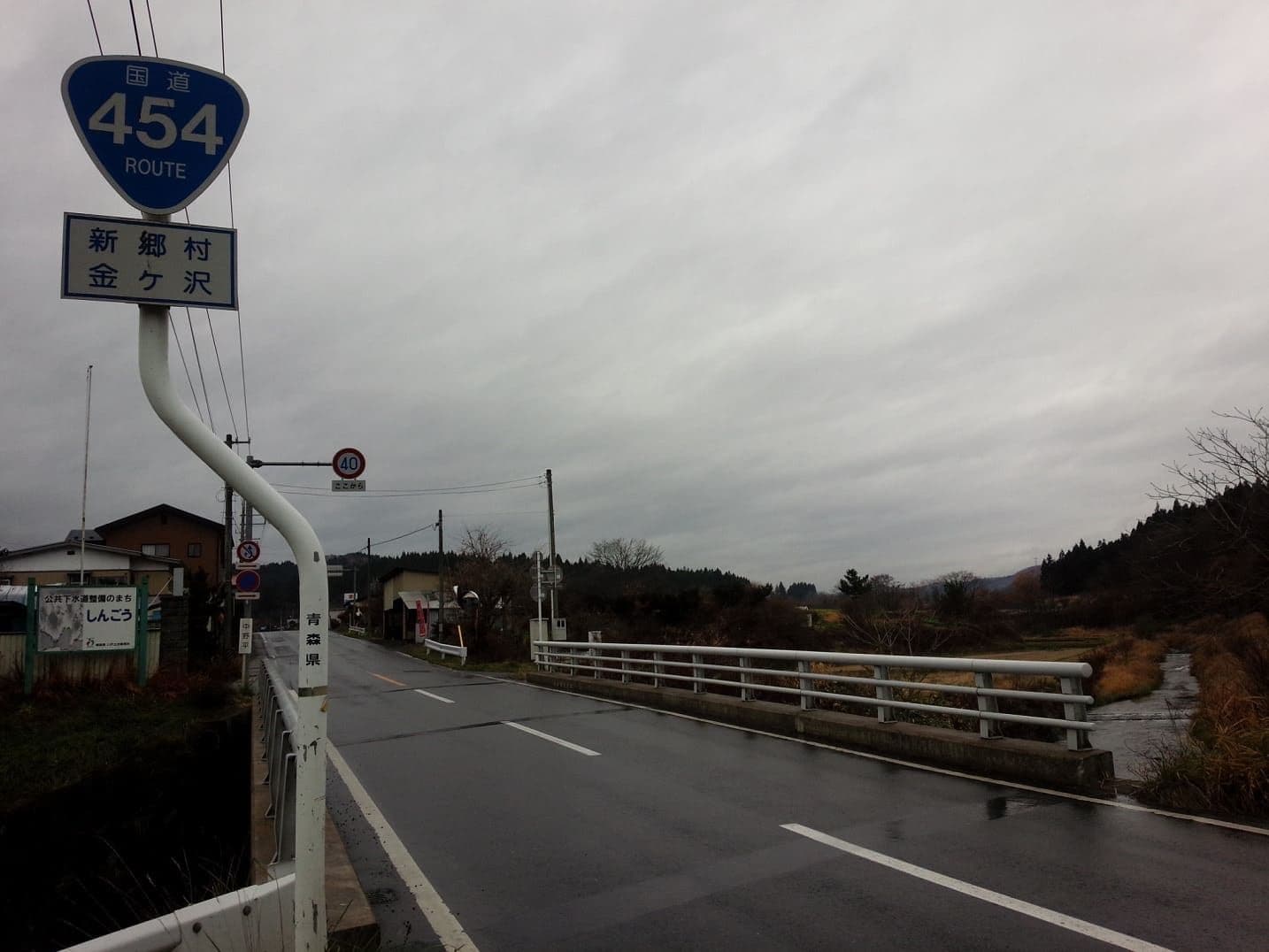
Photo: Route 454 Shingo by Shishi-netman · CC BY-SA 4.0 · web-optimized copy
Travel Facts
Practical details last checked 2026-07-11. Hours, prices, transport, weather, and seasonal access can change. Recheck the linked official source before departure. Legend and interpretation are labeled separately from visitor facts.
Recommended Route: Tokyo to Hachinohe, Then Drive
Visit Hachinohe lists the direct Tohoku Shinkansen trip from Tokyo Station to Hachinohe Station at about 2 hours 45 minutes. Actual departure times, fares, and seat availability change, so use JR East for the date you plan to travel.
From Hachinohe, use a rental car or taxi for the final leg. Shingo Village estimates Hachinohe City to the village hall at 36 km and about 60 minutes; Amazing AOMORI also gives roughly 60 minutes from Hachinohe Station to Christ Park. JNTO publishes a faster estimate, so plan conservatively and allow extra time for weather, stops, and the exact pickup point.
Official regional guide for the Tokyo–Hachinohe approach.
Check live train schedules, fares, and reservations.
Municipal distances and current public-transport outline.
Public Transport Is Possible but Inconvenient
Shingo Village currently describes a two-bus route: Nanbu Bus from Hachinohe Station to Gonohe, then the Kanegasawa line from Gonohe to its final Kanegasawa stop, about five minutes on foot from Shingo Village Hall.
The municipality explicitly warns that the connection is poor and recommends a rental car. Timetables can change, so confirm both legs with Nanbu Bus before departure. The bus route reaches the village center, not every attraction; Christ Park is another 3 km from the village hall.
Includes Nanbu Bus contact numbers and the village community-bus timetable link.
Seasonal Planning
The museum beside Christ Park closes from early November to late April. Winter travel can still involve deep snow and changing road conditions, so do not describe a winter visit as equivalent to the staffed spring–autumn experience.
For a first visit, late spring through autumn offers the strongest chance of finding the museum and seasonal facilities open. Always check the official pages immediately before travel.
Current museum season, hours, fees, and road-access estimate.
Continue Reading
Explore the Mythology