Aomori Travel Guide for a Shingo Village Journey
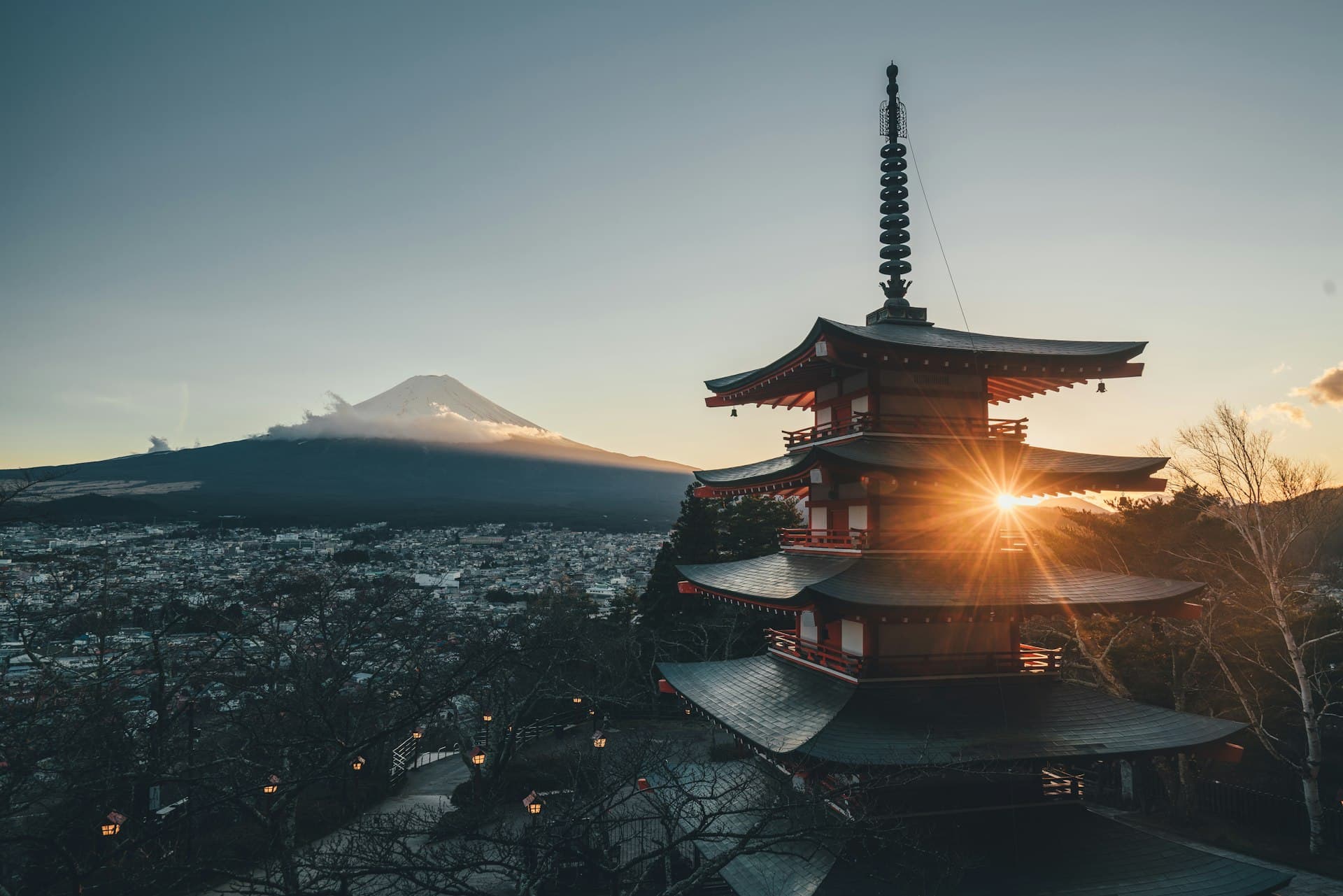
Photo: Oirase Stream View by TANAKA Juuyoh · CC BY 2.0 · web-optimized copy
Travel Facts
Practical details last checked 2026-07-11. Hours, prices, transport, weather, and seasonal access can change. Recheck the linked official source before departure. Legend and interpretation are labeled separately from visitor facts.
Use Hachinohe as the Eastern Gateway
Hachinohe is the most practical rail gateway for Shingo. It has direct Tohoku Shinkansen service from Tokyo, car-rental access, accommodation, markets, and regional visitor information.
Shingo Village places Hachinohe City about 36 km and 60 minutes from the village hall. That makes an overnight in Hachinohe a safer plan than assuming every connection can be compressed into a same-day arrival.
Official rail, air, bus, and local transport overview.
Build a Southern Aomori Circuit
Lake Towada and Oirase Gorge are the strongest regional extension. Shingo Village estimates Lake Towada at 30 km and about 45 minutes from the village hall, while official tourism sources provide seasonal transport and activity guidance.
Towada Art Center adds an urban stop with published hours and admission. Roadside Station Shingo adds seasonal local produce and food, but closes in winter.
Official driving ideas for Aomori's Nanbu and Shimokita areas.
Current regional transport guidance.
Seasonality Changes the Product
Christ Park's museum and Roadside Station Shingo both have winter closures. Lake transport, cruises, walking services, and winter tours operate on separate seasonal schedules.
Do not publish one itinerary as though it works unchanged all year. The useful product is a spring–autumn route plus a distinct winter version with current road, tour, and closure checks.
Continue Reading
Explore the Mythology